A practical guide to composing a food hamper, portioning a cheese board, reading honey and olive oil labels, and calculating quantities for a household or
A food gift is composed the way a small meal is composed: a base of staples, a few items meant to be eaten soon, and one or two things that keep. The quantities are worked out from the number of people who will actually sit down, not from the size of the box. When the recipient is a whole household or a shared table, the gift should be built around portions and shelf life rather than around display.
A hamper that gets used has three layers. The first layer is dry staples with a long shelf life: crackers, tinned fish, dried fruit, coffee, tea, a jar of preserves. These can wait weeks without pressure. The second layer is perishable or semi-perishable items meant for the next few days: bread, a piece of cheese, cured meat, fresh fruit. The third layer is a single item that sets the occasion, such as a bottle of olive oil or a jar of varietal honey, which the recipient will open when they choose.
Look
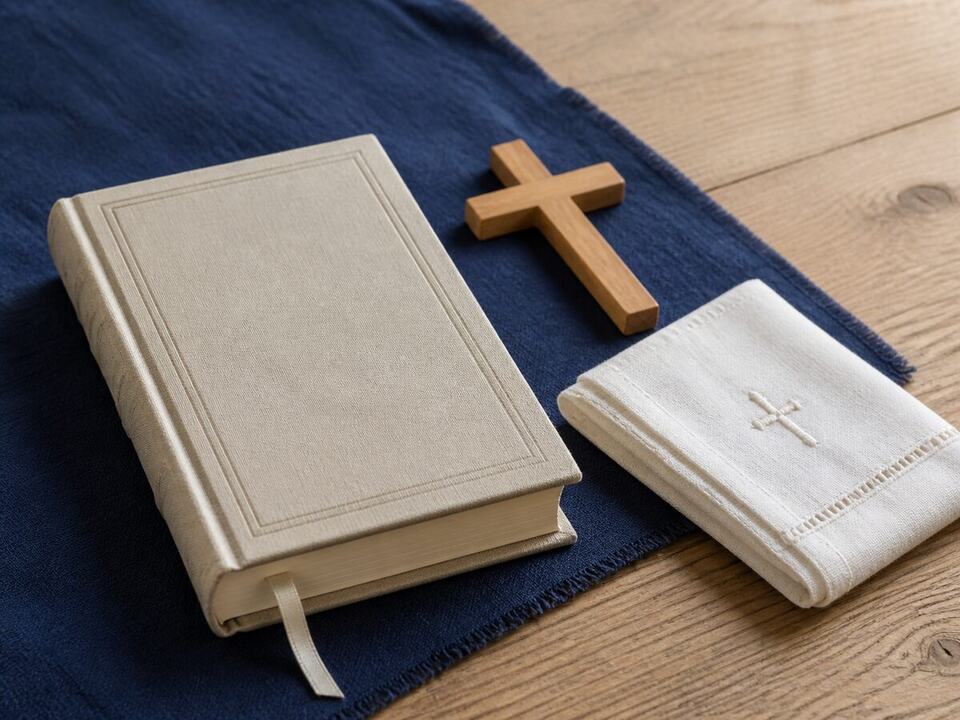
Start with what is visible and repeatable. On this subject, that means naming the form, the joining points, the surface, the scale, and the condition before reaching for a historical label.
Know
The documented context comes next. Church documents, collection records, and conservation guidance answer different questions, so a confident sentence should make its source family clear.
Do not infer
A photograph or seller’s phrase cannot establish every material, edition, date, blessing, provenance, or devotional effect. Keep the open question visible and choose the next check.
Field register
How is a food hamper composed so that it is actually used?Visible form, scale, parts, and surface.Context register
How many portions does a cheese board need per guest?Use the source family that can actually answer the question.Boundary register
A boundary on what these rules can supportStop where the object record stops.How is a food hamper composed so that it is actually used?
A food gift is composed the way a small meal is composed: a base of staples, a few items meant to be eaten soon, and one or two things that keep. The quantities are worked out from the number of people who will actually sit down, not from the size of the box. When the recipient is a whole household or a shared table, the gift should be built around portions and shelf life rather than around display. The most useful description is concrete enough for another reader to check.
How many portions does a cheese board need per guest?
A hamper that gets used has three layers. The first layer is dry staples with a long shelf life: crackers, tinned fish, dried fruit, coffee, tea, a jar of preserves. These can wait weeks without pressure. The second layer is perishable or semi-perishable items meant for the next few days: bread, a piece of cheese, cured meat, fresh fruit. The third layer is a single item that sets the occasion, such as a bottle of olive oil or a jar of varietal honey, which the recipient will open when they choose. When sources disagree or the record is incomplete, the uncertainty belongs in the sentence.
Care stop
A boundary on what these rules can support
Stop before cleaning, polishing, washing, forcing, opening, or authenticating an object when its condition is fragile, its provenance matters, or the question belongs to a priest, publisher, seller, conservator, or other competent authority.